Skip to content
Community Building

What it takes for a small town to thrive

Plain-language guides on population, spending, jobs, housing, septic and zoning, so residents and local boards can test an idea before they commit to it. Written for the McKenzie River and useful in any small town.

Start here

Start with your question

Plain-language guides for residents, local boards and other small towns deciding what their community can support. Each one uses free public numbers and shows the arithmetic.

Can our town support a store or café?

How many people, and how much spending, it takes to keep a grocery store, restaurant, gas station or coffee shop open.

Count your customers

Should we add housing?

What workforce and low-income housing do to a small town, what the research says, and the questions to ask first.

Weigh the housing question

Can my lot handle a septic system?

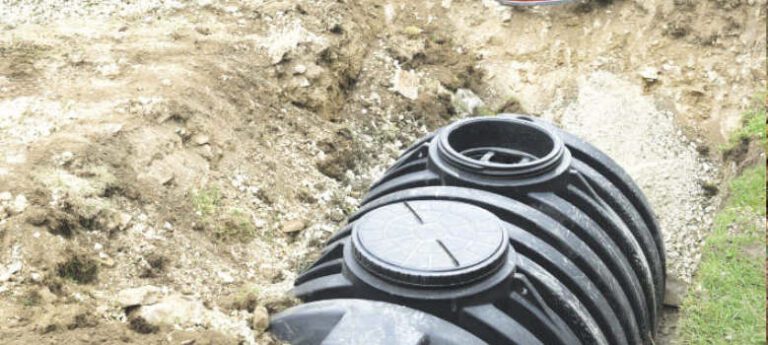
Wastewater sets what can be built on most rural lots. Start here before you buy, design or rebuild.

Start with septic

Small-Town Economics · 5 guides

What it takes for a small town to work

Businesses run on spending, not head count. These five guides show how population, income, visitors, jobs, housing and internet fit together, so a community can test an idea before it spends money on it.

  1. 1

    How many people does it take to support a business?

    Residents needed for a restaurant, grocery store, gas station or chain store, and a simple way to check your own town.

    PopulationFree Census dataStart here
  2. 2

    Income, spending and visitors

    Why income, leakage, visitors and retirees matter as much as the number of people.

    SpendingTourism
  3. 3

    Where jobs come from

    Outside money, multipliers and the practical ways a small town adds jobs.

    JobsLocal business
  4. 4

    Workforce and low-income housing

    What the research says about property values and crime, income limits, and models that work in small towns.

    HousingResearch-backed
  5. 5

    Attracting remote workers

    Broadband, housing, recreation and belonging: what brings remote workers and what keeps them.

    Remote workBroadband

Free to copy and adapt for your own community; please credit McKenzie Community Partnership.

Septic & Wastewater · 6 guides

Wastewater decides what can be built

Most rural lots have no sewer, so the septic system sets how many homes or businesses a property can hold. In Oregon, larger systems and sensitive rivers bring extra state review. Know the rules before you buy, design or rebuild.

Blue River Flex zoning

Downtown Blue River can mix homes and businesses

Lane County approved Blue River Flex zoning in October 2024, the mixed-use downtown zoning residents first asked for in 2010. A plain-language guide on what it allows on each lot is in the works.

Approved

Oct 2024

Lane County commissioners voted unanimously for Blue River Flex zoning.

The real limit

Wastewater

Downtown has no sewer yet, so septic and small shared systems still cap how much can be built. See the septic guides above.

Follow the rebuild

Blue River →

MCP’s Blue River Recovery project tracks water, wastewater, zoning and the downtown rebuild.

Housing & Growth

Room for the people a town needs

Land trusts, accessory dwelling units and small homes can add places to live without changing a town’s character. Start with the housing guide in the economics series, then explore the options.
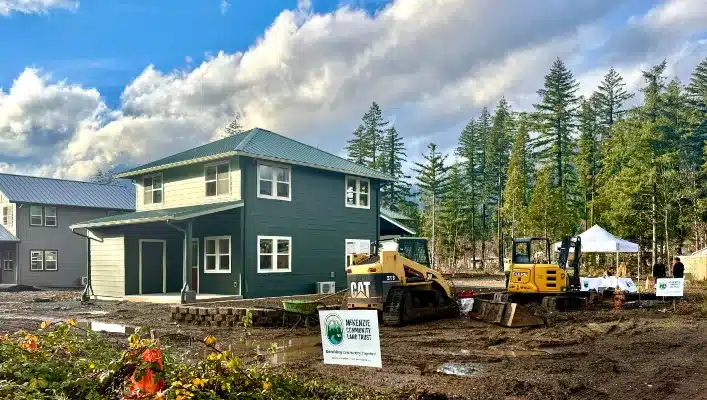
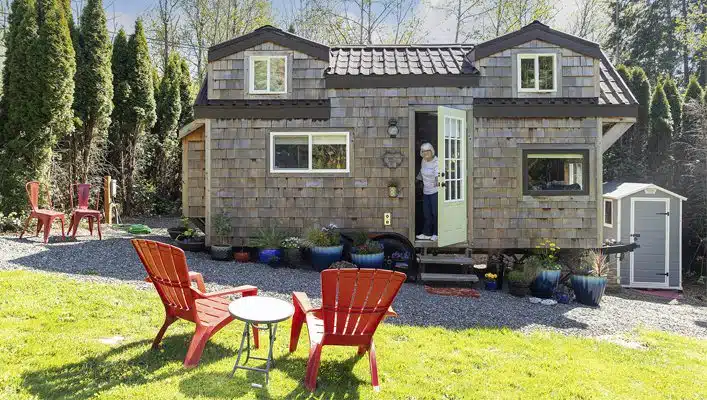
See everything in Housing & Growth →

Community Capacity

The people and partnerships that get it done

Strong small towns run on volunteers, boards and partners who know how to work together. These articles cover the groundwork.
See everything in Community Capacity →

Good to know

Honest about the numbers

Published thresholds and averages come from other states and other years. They tell you whether an idea is in the right range, not whether a specific business or project will succeed.

The best numbers are your own: local households, visitor counts, what residents buy out of town and what employers can’t fill.

More in the library: Housing & Growth, Local Economy, Zoning & Land Use and Community Capacity.

Questions

FAQ

Who are these guides for?

Residents, local boards and anyone in a small rural town deciding what their community can support. The local McKenzie River details sit in their own boxes, so the rest works anywhere.

Does MCP take sides on local projects?

No. MCP doesn’t sell anything or back any one project. We explain options and point to the official sources.

Can another town use these guides?

Yes. They’re free to copy and adapt; please credit McKenzie Community Partnership.

What’s coming next?

A plain-language guide to Blue River Flex zoning, and a combined septic and wastewater guide. Get River Updates to hear when they’re published.