

Short answer
From 30 to 100 feet out, and up to 200 feet on steep or south-facing slopes, the goal is to keep a wildfire on the ground and out of the treetops. Thin crowded trees, keep about 10 feet between crowns, remove dead trees and ladder fuels, clean up heavy debris, and chip or haul slash rather than piling it.
Last reviewed October 31, 2026 by McKenzie Community Partnership. Step 6 of the Fire-Ready Homes checklist. Applies to homes across the Cascades and the rural West.
Why this zone matters
A fire that reaches the treetops moves fast, throws embers far ahead and is hard to stop. Thinning this zone keeps an approaching fire lower and slower, which cuts the embers landing on your house and gives firefighters a safer place to work. Oregon State University Extension calls a thinned stand with ladder fuels removed a “shaded fuel break.”
The checklist
- Remove dead and dying trees and shrubs.
- Thin dense patches, keeping your largest, healthiest trees. Aim for about 10 feet between crowns.
- Remove ladder fuels: limb trees up 6 feet or one-third of their height, and clear brush beneath them.
- Clean up the ground: heavy needle buildup, downed logs and old slash.
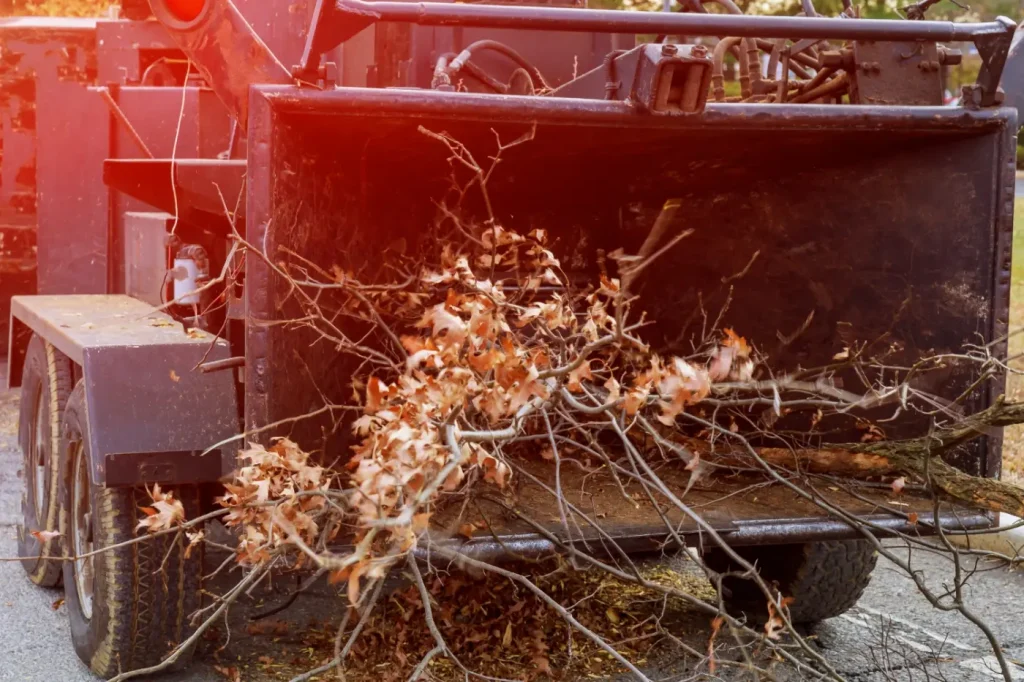
- Deal with slash by chipping, hauling, composting outside the home zone, or burning in season. Don’t leave piles near the house or under trees.
- Clear along driveways and roads so they stay usable (see Access for Fire Engines).
- Extend to 200 feet on steep slopes, hilltops and ground facing south or into east winds.
- Revisit every few years; westside forests grow back fast.
Rock or bare soil against the walls. No mulch, plants, woodpiles or wood fence.
The first 5 feet →Limb trees up 6–10 ft, 10 ft between crowns, no shrubs under trees, grass under 4 in.
5 to 30 feet →Thin crowded trees, remove dead ones and ladder fuels, chip or haul slash. Up to 200 ft on slopes.
30 to 100 feet →What it costs
| Task | Do it yourself? | Typical cost* | Impact |
|---|---|---|---|
| Clean up ground debris and small brush | Yes | Free to $ | Medium |
| Limb up and remove small trees | Yes, with care | Free to $$ | High |
| Thin a stand or remove large or dead trees | Hire a licensed tree service or logger | $$$ | High |
| Chip slash | Chipper day, rental or hire | Free to $$ | Medium |
*Rough MCP estimates; prices vary. $ = under $200, $$ = $200 to $1,000, $$$ = over $1,000.
Burning slash safely
- Never burn during fire season. Fall and winter, when it’s wet and calm, carry the least risk.
- Check the day’s rules before you light. Burning can be banned on short notice.
- Keep piles small, at least 50 feet from any structure, with bare soil around them, a charged hose and a shovel on hand.
- Stay until it’s out.
- Logging slash follows Oregon Department of Forestry rules.
In the Pacific Northwest
Westside forests regrow quickly, so plan on recurring work, spread over months or years. OSU Extension suggests checking the zone each winter and spring before fire season. Forest landowners can ask the Oregon Department of Forestry about free stewardship advice and possible cost-share; see Wildfire Grants and Free Help.
On the McKenzie River
- McKenzie Fire & Rescue does free defensible space inspections focused on driveway access and the first 50 feet: 541-896-3311.
- Burning: check the LRAPA Daily Burning Advisory at 541-726-3976 (press 4) before you light. For logging slash, call ODF at 541-726-3588. See McKenzie Fire & Rescue’s burning rules.
- Hiring tree work? Check the contractor’s license with the Oregon Construction Contractors Board or Landscape Contractors Board.
Frequently asked questions
How far out does defensible space go?
At least 100 feet from the house, and up to 200 feet on steep slopes, hilltops and south-facing ground. Stop at your property line and work with neighbors where zones overlap.
Do I have to clear everything out to 100 feet?
No. This zone is about thinning and breaking up continuous fuel, not clearing. Keep large, healthy trees; remove dead trees, small crowded trees and heavy ground debris.
Can I burn my slash piles?
Only outside fire season and only when burning is allowed. In the McKenzie Fire & Rescue district, backyard burning of woody yard debris generally runs October to mid-June. Call the LRAPA burn advisory line (541-726-3976) the day you burn, and stay with the fire until it’s out.
Is chipping better than burning?
Often. Chipping avoids smoke and burn rules, and spread chips break down. Keep chip layers thin and out of the first 5 feet around the house.
Sources
- OSU Extension: Best practices for wildfire fuels maintenance in northwest Oregon
- OSU Extension: Keeping your home and property safe from wildfire (EM 9184)
- Oregon State Fire Marshal: Defensible space
- McKenzie Fire & Rescue: Outdoor burning
General information, not a professional inspection or code advice. MCP doesn’t sell products or services.